BIQO
We started with restaurant payments. Integration barriers, costs and what we were learning from users led us to rethink where to start.
- My role
- Co-founder. I handle product and business.
- When
- Since July 2025
- Where
- Spain
- Tools
- Surveys, Excel, Canva, GA4, Search Console, Claude Code

- 1,009shared bills (rooms) created in four months
- 985participations in expense splits
- 505responses across two surveys
- 61%of plans are paid by one person who collects later
The problem
When a group goes out for dinner or on a trip, one person usually pays and then has to chase everyone else to get their money back.
BIQO hasn't always been the same app. This is how it has changed, and why.
Stage one: restaurants
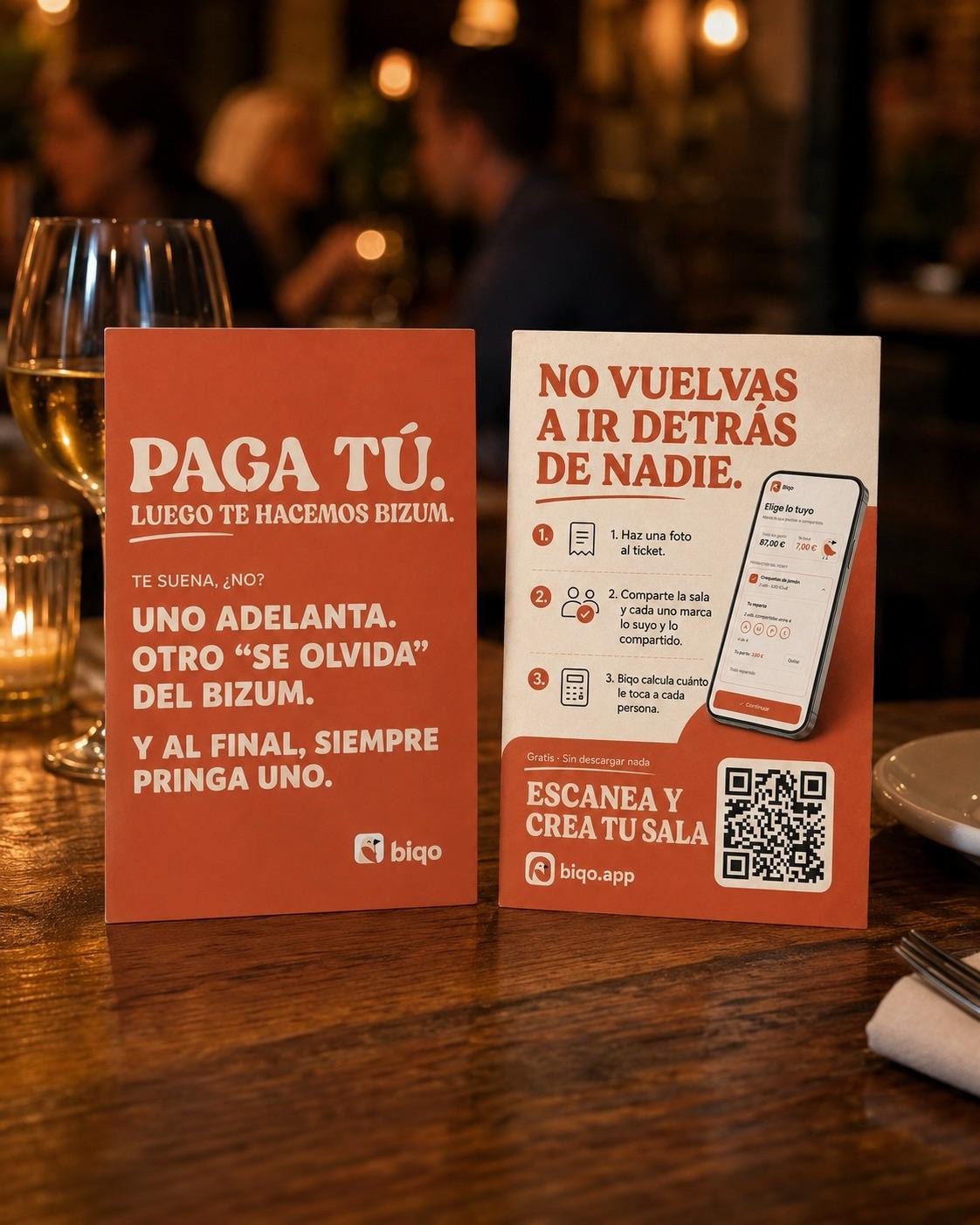
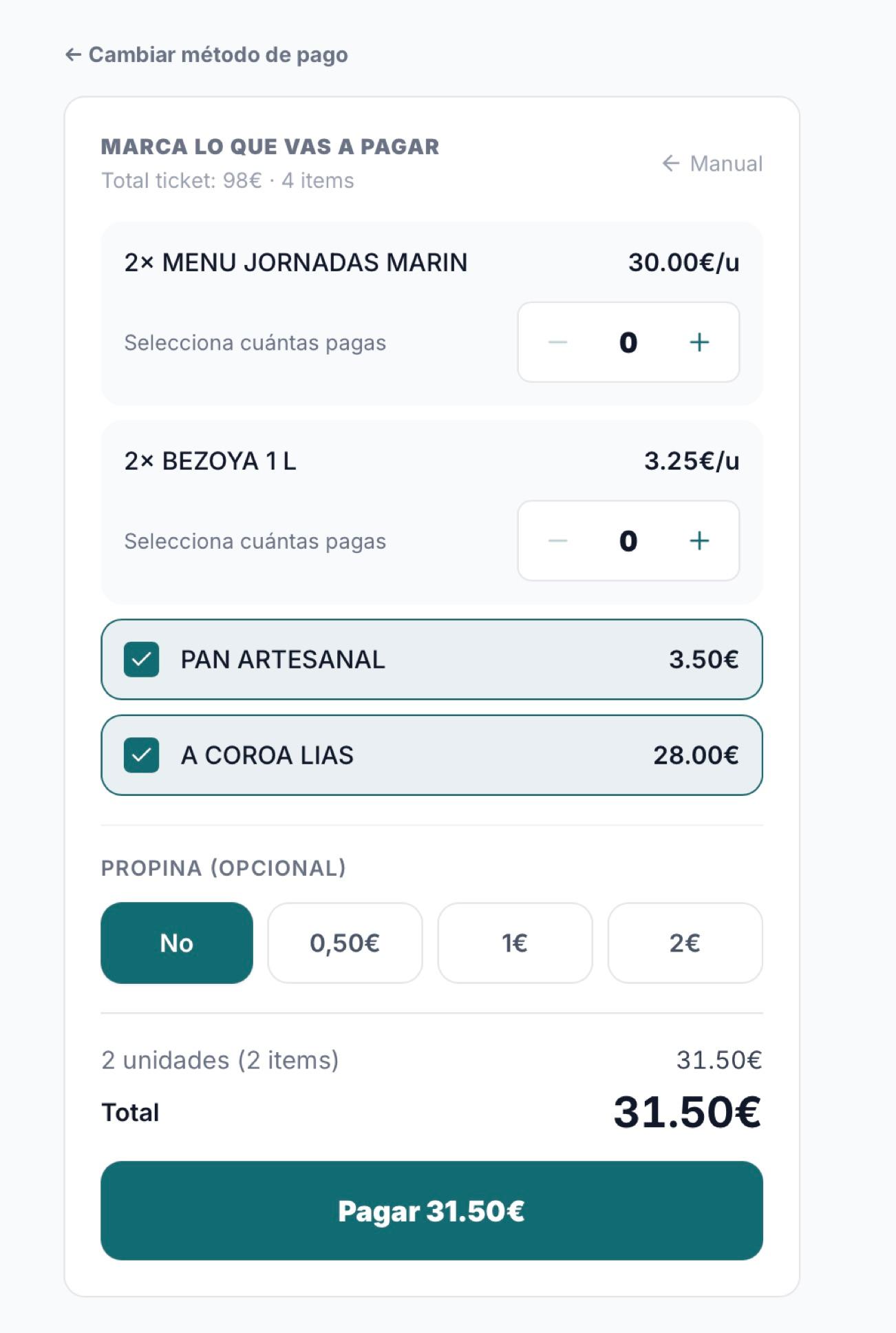
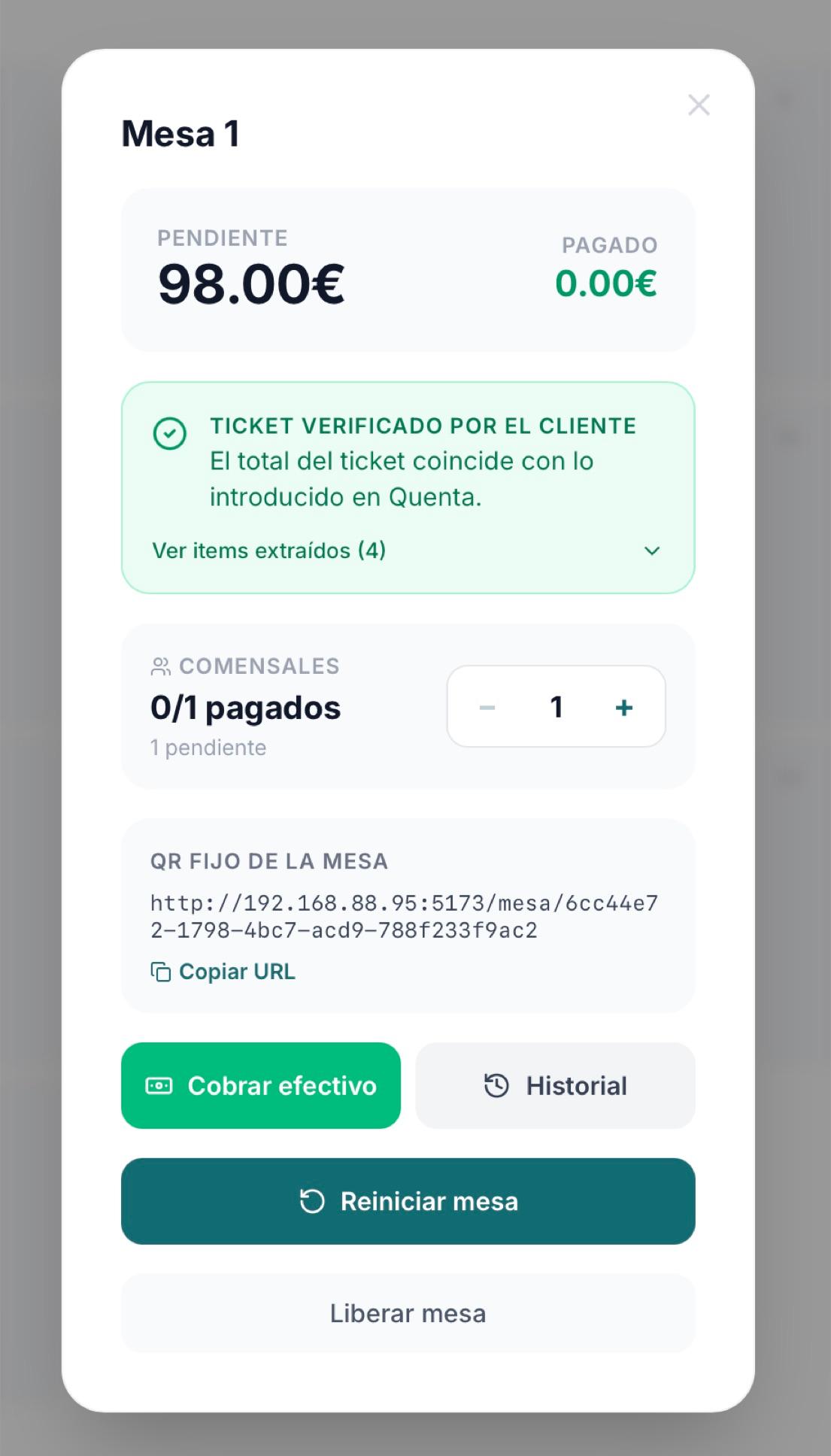
We began by researching restaurant payments in Spain and comparing more than ten existing solutions. We designed a prototype where diners could select and pay for their share at the table, with a dashboard for restaurants to track pending and completed payments.
The prototype allowed us to explore the payment flow, but bringing it to real restaurants meant overcoming three obstacles: POS integrations, payment-processing costs and the lack of a dedicated technical developer.
Stage two: groups of friends
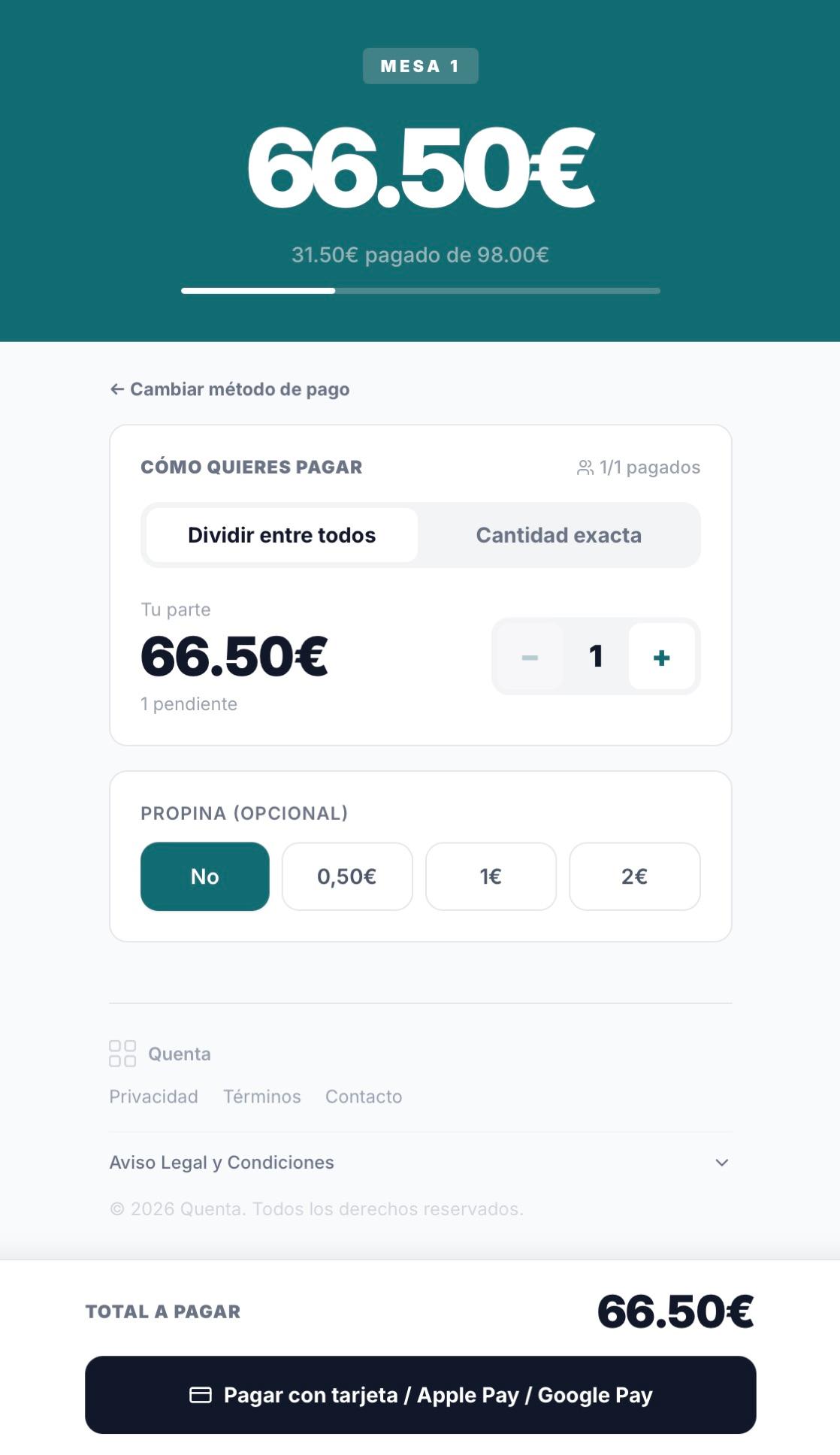
In late May 2026, we decided to focus first on the person who fronts the money for a shared expense. I conducted two surveys, the second in June, collecting 505 responses. According to the results, in 61% of cases one person paid upfront and collected from the others, while only 8% found calculating the split difficult. The bigger friction appeared to be coordinating and collecting payments.
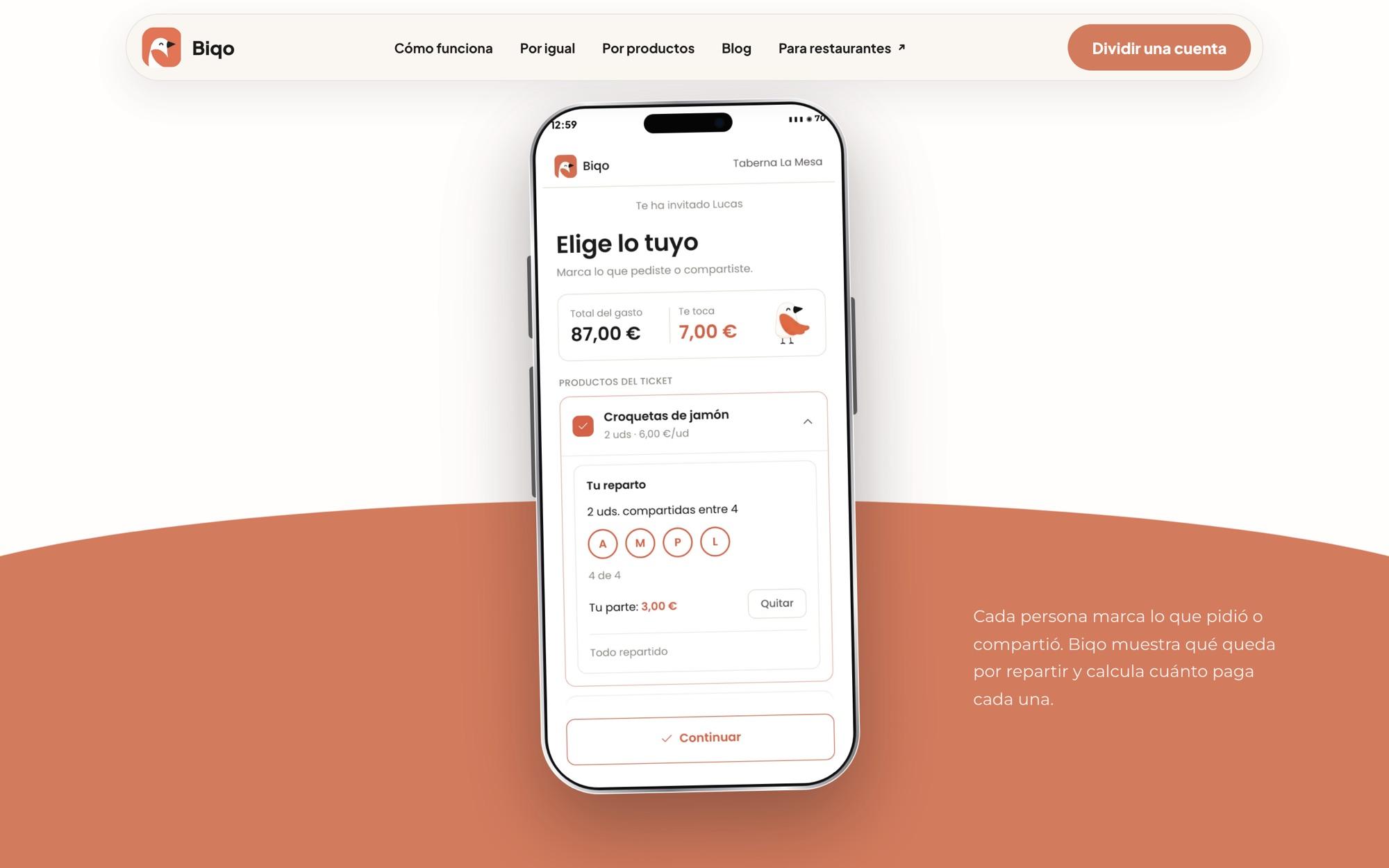
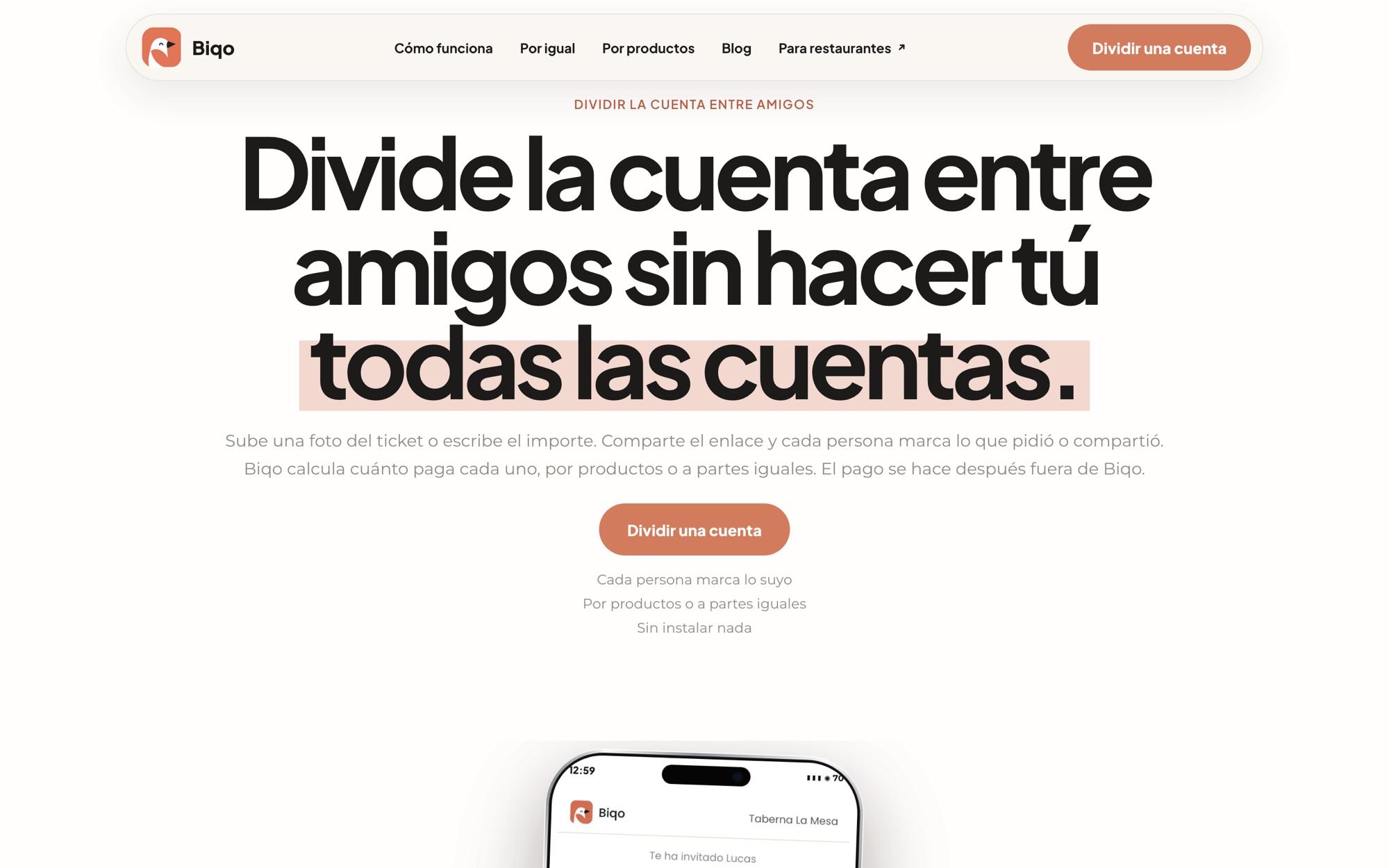
I designed the screens and flows: a photo of the receipt, item-by-item splitting, joining by link without an account, and tracking who has paid. The web app launched on 17 July 2026.
What happened next
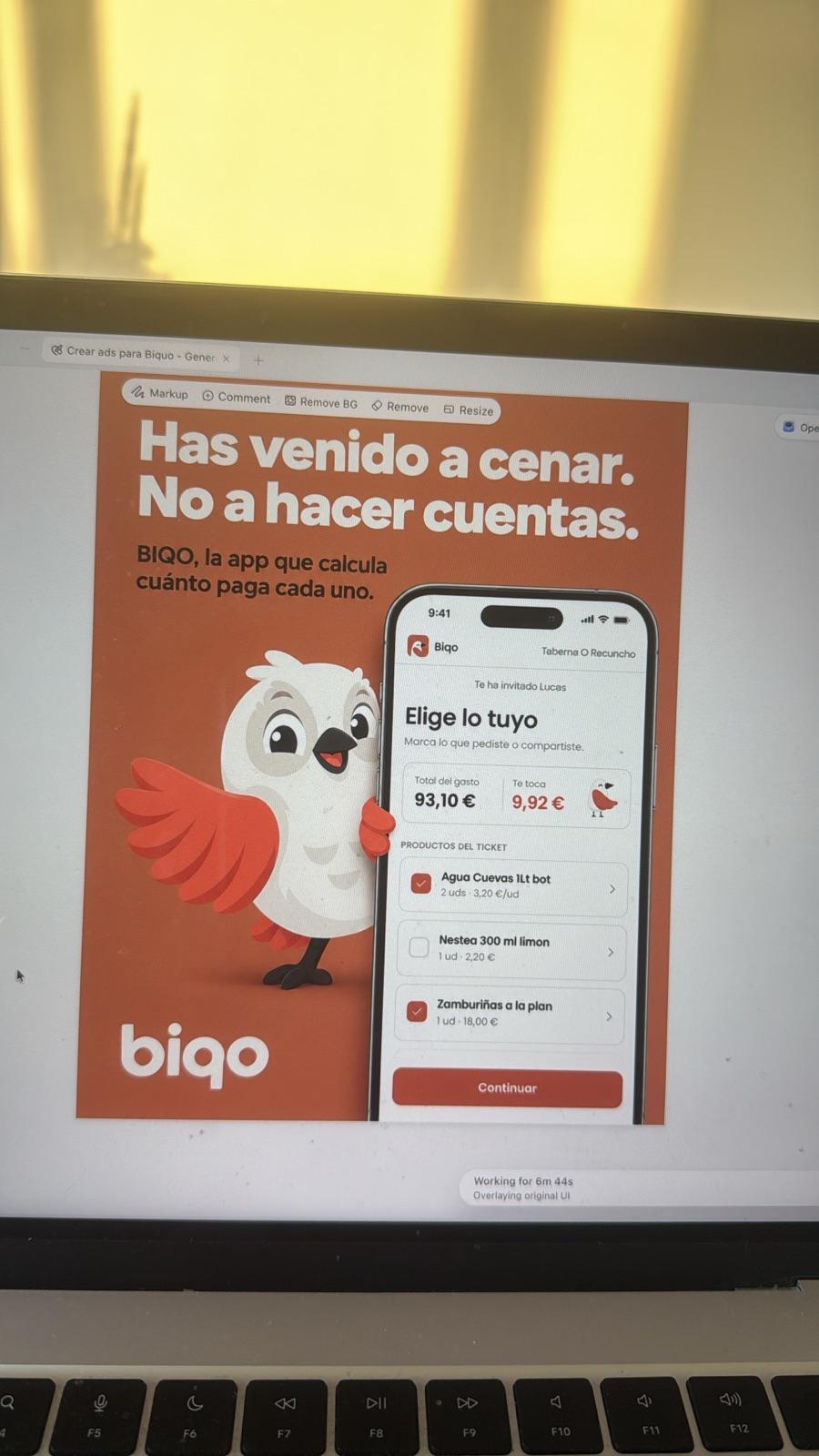
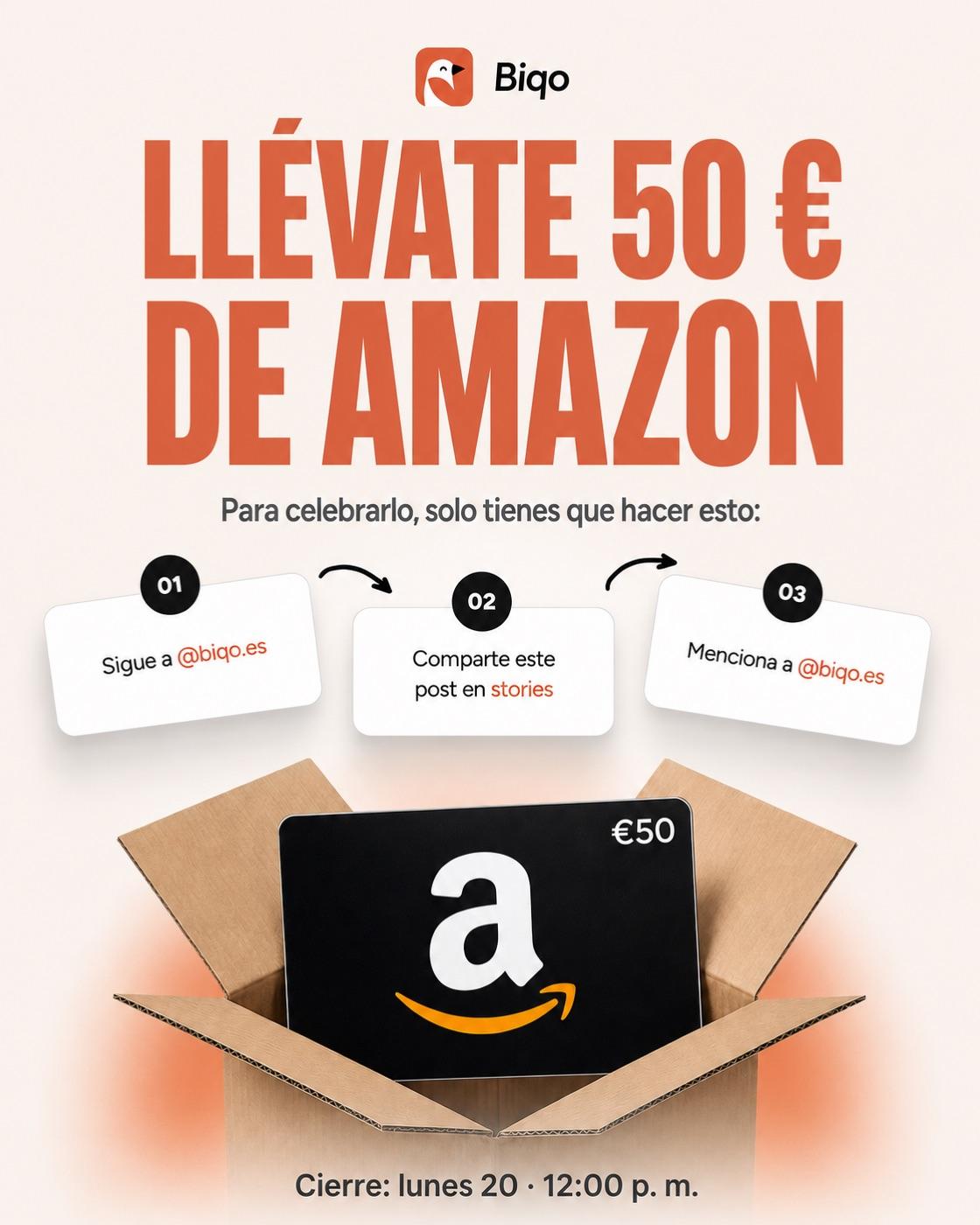
During BIQO's first four months, 1,009 rooms were created. Analytics recorded 361 hosts and 985 participations in expense splits, without paid advertising campaigns. I tried several ways of getting it known: short videos (five of them added up to over a million views), cards on restaurant tables and a giveaway.
I presented ABANCA with a proposal and demo to connect BIQO's expense splitting to actual payments. We did not reach an agreement, so we continued evaluating alternatives with other financial providers and person-to-person payment solutions.
The August videos brought an initial wave of people discovering BIQO, many of whom simply came to try it out. Activity later declined. The challenge now is separating exploratory use from genuine expense splitting and understanding what brings users back when they need to share another expense.
Where it is now
Since this autumn there has been a technical co-founder on the team. We're working on taking BIQO to a mobile app and exploring ordering and paying at the restaurant again, this time with a different way of integrating and with person-to-person payments.
The mobile app is in development. New restaurant-payment and person-to-person payment solutions remain exploratory.
What I learned
A solution can make sense on paper and still be much harder to bring to market. BIQO taught me that the problem you want to solve matters, but so does what it takes to make the solution viable.